
Campus News · Management · Career Guide 2026
🚀 Build. Disrupt. Lead. Create Your Own Future
The art of creating, building, and scaling businesses by transforming ideas into impactful ventures — combining innovation, risk-taking, leadership, and strategic execution to solve real-world problems and generate economic value.
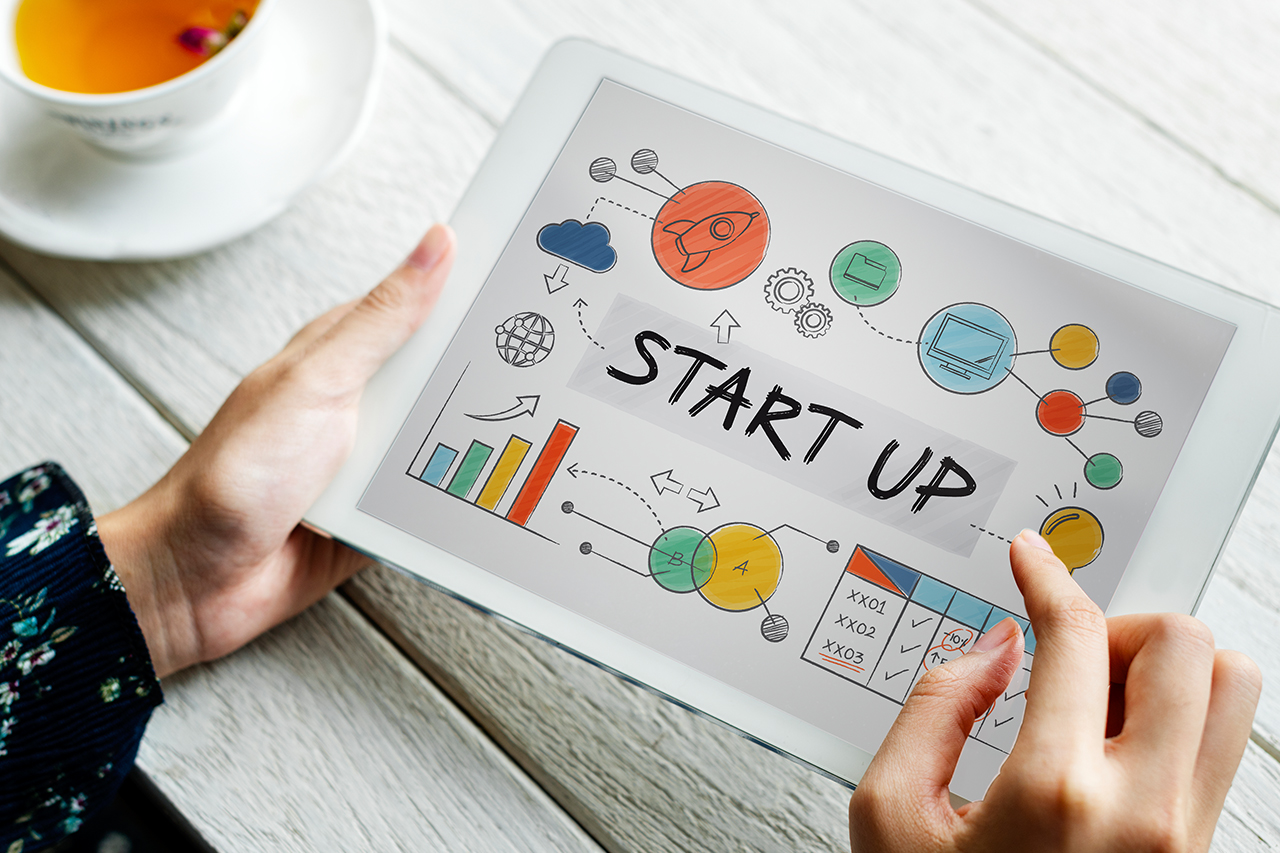
Overview
Entrepreneurship is the art of creating, building, and scaling businesses by transforming ideas into impactful ventures — combining innovation, risk-taking, leadership, and strategic execution to solve real-world problems and generate economic value.
In 2026, entrepreneurship in India is no longer limited to startups — it is a powerful career path driven by innovation, digital transformation, and global opportunities. With initiatives like Startup India and a booming digital ecosystem, India has emerged as one of the world's largest startup hubs.
Entrepreneurship education is now offered through undergraduate, postgraduate, and specialized programs such as BBA in Entrepreneurship, MBA in Entrepreneurship, incubation programs, and startup accelerators in top universities and business schools.
Entrepreneurs are the job creators, innovators, and disruptors shaping India's future economy — building solutions, unlocking opportunities, and driving growth at every scale.
Core Entrepreneurship Domains
Startup Creation & Innovation
Business Strategy & Growth
Fundraising & VC Ecosystem
Marketing & Brand Building
Tech & Product Development
Social Entrepreneurship
Global Ventures & Scaling
Risk Management & Resilience
Career Opportunities
Entrepreneurship offers limitless career possibilities — from launching startups to building global enterprises. With India's rapidly growing ecosystem in fintech, edtech, healthtech, e-commerce, AI, and SaaS, aspiring entrepreneurs have unprecedented access to funding, mentorship, and market opportunities.
Launch your own venture from idea to product-market fit — the most direct entrepreneurial path, driving your own vision from Day 1.
Scale, modernize, and professionalize existing family enterprises — applying MBA-level strategy to established ventures for sustainable growth.
Build technology-driven products and platforms — the highest-growth segment of Indian entrepreneurship in 2026, with massive global market access.
Create businesses with social impact — solving education, healthcare, climate, and livelihood challenges through sustainable, scalable models.
Build direct-to-consumer brands using platforms like Amazon, Flipkart, and Shopify — India's D2C market is expected to reach ₹4.5 lakh crore by 2027.
Disrupt financial services with innovative payment, lending, or investment solutions — India's FinTech sector is among the most active globally.
Build a high-value consulting practice or freelance business — leveraging domain expertise in marketing, strategy, tech, or operations.
Operate and expand established franchise brands — a lower-risk entrepreneurial path combining brand support with ownership independence.
Build a business around your expertise, content, or personal brand — India's creator economy is one of the fastest growing in the world in 2026.
Common Job Roles
Beyond founding your own venture, an MBA in Entrepreneurship prepares you for high-impact leadership roles within startups, venture capital, and corporate innovation teams.
Skills Required
Entrepreneurship demands a powerful blend of business acumen, creativity, and resilience — combining strategic thinking with practical execution to build and scale ventures.
Future of Entrepreneurship
Entrepreneurship is at the heart of India's economic transformation. The future belongs to entrepreneurs who can leverage technology, data, and creativity to solve large-scale problems across these fast-growing domains.
AI-first startups building tools for automation, intelligence, and productivity — the fastest growing segment of Indian tech entrepreneurship in 2026.
India leads globally in digital payments — massive opportunity in neobanking, credit, insurance, wealth management, and BNPL platforms.
Direct-to-consumer brands disrupting retail through digital storytelling, niche products, and community-led growth — India's most accessible startup category.
India-built SaaS products serving global markets — India is the #2 SaaS nation after the US, with thousands of SaaS startups targeting SMBs worldwide.
Post-pandemic surge in digital health, telemedicine, diagnostics, and biotech startups — India is becoming a global health innovation hub.
Online learning, upskilling, and vernacular education platforms revolutionizing access to quality education across India's tier 2 and tier 3 cities.
Climate tech, clean energy, sustainable packaging, and circular economy ventures — the fastest growing new category for impact-driven entrepreneurs in 2026.
Building businesses around content, community, and personal brand — India's creator economy is one of the top 5 globally with over 100 million creators.
Decentralized finance, NFTs, blockchain infrastructure, and tokenized economies creating new paradigms for business and ownership.
Programs & Duration
From undergraduate programs to specialized MBA / PGDM in Entrepreneurship — here is the complete educational pathway for aspiring entrepreneurs in India.
3 Years · 6 Semesters
1–2 Years
Eligibility & Entrance Exams
Salary Prospects
Entrepreneurship does not have a fixed salary — it depends entirely on the success, scale, and growth of the business. The upside is truly unlimited for successful entrepreneurs.
Reinvestment phase — founders take minimal salary while scaling the venture and building the product.
As revenue grows, founders begin drawing structured salaries or founder compensation from operational cash flows.
Including profits, equity appreciation, dividends, and ESOPs — well-established startups provide exceptional wealth creation.
Unicorn and decacorn founders accumulate billions in equity value — the highest earning ceiling of any career path.
💡 Note on Entrepreneurship Earnings: Beyond salary, entrepreneurs earn through equity, profit distributions, ESOPs on IPO / acquisition, and asset appreciation. India's startup ecosystem has created hundreds of dollar-millionaires and dozens of billionaires through venture creation. The risk-reward ratio is unmatched by any salaried career.
Funding & Support Ecosystem
Entrepreneurs in India benefit from one of the world's most comprehensive support ecosystems — combining government initiatives, private investment, and institutional support to fuel startup growth.
Government's flagship program offering tax benefits, simplified compliance, funding support, and access to a nationwide incubator network for registered startups.
Over 5,000 active angel investors and 600+ VC firms operating in India — providing seed to growth-stage capital across all sectors.
IIT, IIM, and private incubators like T-Hub, CIIE, and Nasscom 10,000 Startups provide mentorship, workspace, and early-stage funding access.
DST NIDHI, MSME schemes, SIDBI Fund of Funds, and state government startup grants providing non-dilutive capital to early-stage ventures.
Platforms like Milaap, Ketto, Crowdfunding India, and global platforms enabling product validation and community-backed funding for consumer startups.
Startup Ecosystem Players
India's entrepreneurship ecosystem is powered by leading Indian startups, global tech giants, and top venture capital firms — creating a vibrant environment for new ventures to thrive.
Key Domains in Entrepreneurship (2026)
Top Institutions
Your institution's startup culture, incubation labs, alumni network, and investor connections are critical for entrepreneurship programs — these are India's finest.
IIMs · Central Universities · Public Institutes
Deemed · Private Business Schools